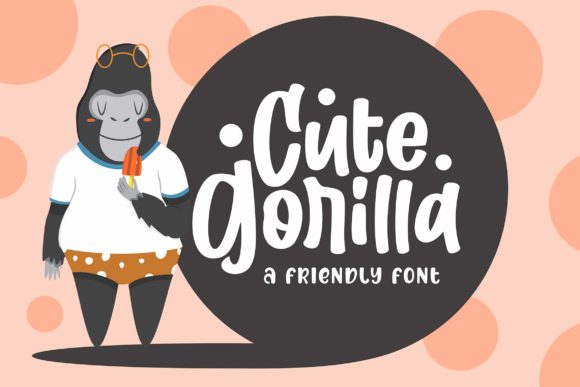
Cute Gorilla: A Friendly Handwritten Font for Web Design
I was refreshing a landing page mockup for a boutique skincare brand, and the headline felt sterile. The clean sans-serif was perfectly professional, but it lacked the warmth and personality the brand wanted to convey. I needed a font that felt handmade, personal, and inviting—something that could transform a standard hero section into a welcoming greeting. That’s when I tested Cute Gorilla.
Cute Gorilla for Branding and Digital Identity
When you’re building a digital brand, the typography you choose is a direct voice to your audience. Cute Gorilla is a cheerful and friendly handwritten font, and its immediate appeal lies in its authenticity. As a Display font, its character is built for impact. In that skincare project, swapping the generic headline to Cute Gorilla changed the entire mood. The playful, yet controlled letterforms suggested care and craftsmanship, aligning perfectly with the brand’s ethos of handmade, natural products. It wasn’t just a typeface; it became a key component of their online brand identity.
Using Cute Gorilla for Website Headings and Hero Sections
For digital layouts, hierarchy is everything. A Display font like Cute Gorilla is ideal for creating clear, engaging focal points. I used it exclusively for the H1 and H2 tags on the landing page. Its irregular baseline and organic stroke weight naturally draw the eye, making section headers feel like personal notes rather than blunt commands. On a coaching website I prototyped, employing Cute Gorilla for the main "Transform Your Practice" headline instantly made the message feel more approachable and human-led, which is crucial for service-based businesses.
Readability and Performance of Cute Gorilla on Modern Websites
A critical step in any web project is checking readability across devices. A handwritten font can be tricky on small screens if the strokes are too thin or details too fine. I tested Cute Gorilla extensively in responsive previews. Its generous x-height and clear letter separation maintained legibility even at smaller sizes used in mobile viewports for subheadings. Overlaid on both dark and light background images, the font’s consistent weight held up well, avoiding the "disappearing" effect some script fonts have on busy backgrounds. For optimal performance, I recommend using it in sizes above 24px for body copy and reserving it primarily for headlines and callouts.
Font Pairing: Cute Gorilla with Web Body Copy
The true power of a decorative font is unlocked by a thoughtful pairing. Cute Gorilla shines as a display typeface, but it needs a stable, readable partner for paragraphs and UI text. In my projects, I paired it with a simple, geometric sans-serif for all body copy, forms, and button labels. This combination creates a clear visual hierarchy: the friendly, handwritten voice for key messages, and a neutral, functional typeface for reading and interaction. For a more editorial feel, like on a blog redesign, pairing Cute Gorilla with a classic serif for body text can create a sophisticated yet personal digital magazine aesthetic.
Cute Gorilla for Logos, Signatures, and Personal Touches
The product description mentions Cute Gorilla elevating logos and signatures, and this translates powerfully to digital spaces. For a freelance photographer’s portfolio homepage, I used the font to render her logo text. Its unique handwritten quality gave the logo an immediate, signature-like authenticity that a standard font couldn’t achieve. Similarly, for a "Meet the Founder" section on a small business website, using Cute Gorilla for the founder’s handwritten quote (replacing a generic italic font) added a layer of genuine personal touch that builds brand trust.
Integrating Cute Gorilla into E-commerce and Product Pages
Online stores need to balance excitement with clarity. On a product landing page for a creative course, I applied Cute Gorilla to the main course title and key benefit statements. The font’s cheerful tone helped frame the product as an enjoyable, human-centric experience, not just a transactional digital download. For boutique online store banners announcing seasonal sales or new collections, this Fonts family injects energy without sacrificing professionalism. It tells a story, which is essential for converting casual browsers into engaged customers.
Technical Considerations for Using Cute Gorilla on the Web
Before committing any font to a live website, practical checks are mandatory. First, verify the licensing; for client work or commercial sites, a commercial font license is essential. Ensure you have access to the webfont formats (typically .woff or .woff2) for optimal loading performance. Cute Gorilla, as a Display typeface, may come with alternate characters or ligatures—test these in your design tool to see if they enhance your specific headings. Also, check multilingual support if your project targets a global audience. Implementing it correctly means your chosen typography will load quickly and render consistently across all browsers, preserving that polished brand experience you’re building.
Cute Gorilla in Campaign Landing Pages and Digital Ads
Campaign pages thrive on standout typography. For a short-term promotional landing page, I used Cute Gorilla for the entire headline stack and the primary call-to-action button text. The unified, friendly voice across these elements created a cohesive and memorable campaign identity. In digital ad graphics, especially for social media, a Font like this grabs attention in crowded feeds. Its handwritten style breaks the monotony of overly clean corporate ads, fostering higher engagement for brands wanting to connect on a personal level.
Choosing the right typography is a foundational web design decision. It affects how users perceive your brand, scan your content, and ultimately, how they engage. Cute Gorilla offers a specific solution: a cheerful and friendly handwritten font that brings authenticity and warmth to digital interfaces. From branding and headings to logos and signatures, its application is versatile but purposeful. By pairing it wisely, testing its readability, and implementing it with sound technical practices, you can elevate a wide range of design projects to a higher, more human level. It turns a standard layout into a conversation, and that’s a powerful tool for any online brand.