The Comic Boom Bubble Font for Editorial Impact and Reader Engagement
In the world of publishing and content creation, visual hierarchy is not just a design principle; it’s a communication strategy. The right display font can set the tone, command attention, and create a memorable identity for your publication. For bloggers, editorial designers, and digital creators seeking a typeface with both character and clarity, the Comic Boom Bubble font presents a compelling option. This carefully handcrafted display font blends bold, fun personality with a unique structure, making it a versatile asset for headers, covers, and branding elements across a wide range of content formats.
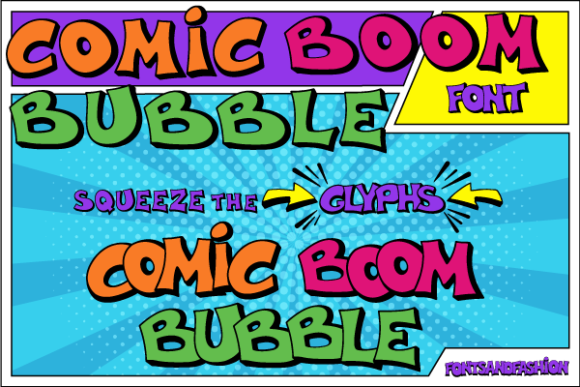
Understanding the Comic Boom Bubble font begins with its inherent style. Described as bold and fun, it possesses a handcrafted quality that lends authenticity and warmth. This isn't a sterile, algorithmic typeface; it carries a sense of personality that can make your content feel more approachable and engaging. The “Bubble” element suggests rounded, substantial letterforms, which offer excellent readability at larger sizes while injecting a playful yet confident mood. This visual character is precisely what makes it a powerful tool for editorial design, where the mood of the text must align with the content’s subject matter.
Comic Boom Bubble for Magazine Covers and eBook Titles
When a reader first encounters your magazine, ebook, or digital guide, the title is your first and most crucial point of engagement. The Comic Boom Bubble font, with its bold and unique letterforms, is engineered for this role. Its substantial weight and fun demeanor ensure it stands out without sacrificing legibility. For a lifestyle magazine cover, Comic Boom Bubble can convey energy and creativity. For an ebook title on a topic like creative writing or DIY crafts, the font immediately communicates the project's hands-on, enjoyable nature. This display font acts as a visual hook, promising an engaging experience before the reader even delves into the first paragraph.
Using Comic Boom Bubble for Blog Headers and Article Layouts
Within the structure of a blog post or long-form article, visual hierarchy guides the reader and prevents fatigue. The Comic Boom Bubble font excels as a primary heading font, breaking up long stretches of body text with impactful section titles. Its bold nature ensures it contrasts sharply against a clean serif or sans-serif body font, creating a clear navigational path for the eye. For a food blog, using Comic Boom Bubble for recipe titles or “Pro Tip” headings adds a cheerful emphasis. In a technical or coaching blog, using it sparingly for key takeaways or chapter openers can make dense information feel more accessible and structured. It’s a tool for controlling pace and emphasis within your editorial layout.
Creating Quote Graphics and Pull Quotes with Comic Boom Bubble
Pull quotes and standalone quote graphics are pivotal elements in magazines, newsletters, and blog articles. They serve to highlight key insights, break visual monotony, and provide social media-friendly assets. The Comic Boom Bubble font is ideal for this specific application. Its handcrafted, gorgeous aesthetic turns a simple quotation into a visually memorable artifact. When you extract a powerful statement from an interview or article and set it in Comic Boom Bubble, the quote gains personality and weight, encouraging readers to pause and absorb it. This use case directly supports reader engagement and content sharing, making your most valuable snippets stand out.
Comic Boom Bubble for Newsletter Branding and Header Graphics
Email newsletters and digital publications rely heavily on consistent branding to build recognition and trust. The Comic Boom Bubble font can become a cornerstone of that identity. Using it for the newsletter name in the header graphic creates a strong, repeatable visual signature. Its unique style ensures your newsletter feels distinct in a crowded inbox. Furthermore, within the newsletter body, applying Comic Boom Bubble to section headings or featured product names maintains visual consistency and reinforces your publication's tone—whether that’s upbeat, creative, or confidently informal. This font helps weave a cohesive visual thread through every issue.
Designing Printable Guides and Lead Magnets with This Display Font
Printable guides, worksheets, planners, and lead magnets are tangible extensions of your content brand. They require typography that is both attractive on screen and perfectly legible when printed. The Comic Boom Bubble display font, with its bold, well-defined characters, performs excellently in both contexts. For a wedding planning checklist, using Comic Boom Bubble for the title and main section headers injects celebration and fun. For a business coaching workbook, using it for exercise titles or key principles makes the document feel dynamic and engaging. The font’s handcrafted quality adds a premium, carefully constructed feel to your downloadable assets, enhancing their perceived value.
Practical Font Pairing for Editorial Readability
A display font like Comic Boom Bubble is designed for impact, not for long body text. Therefore, pairing it with a highly readable companion font is essential for professional editorial design. For body copy in articles, ebooks, and guides, a classic serif font like Georgia or a clean sans-serif like Inter provides the necessary neutrality and readability for extended reading. For captions, footers, or less prominent information, a light or regular weight of your chosen body font maintains clarity. This pairing strategy creates a balanced typographic system: Comic Boom Bubble provides personality and hierarchy at the top, while your body font ensures comfort and comprehension for the reader throughout the content.
Comic Boom Bubble in Digital and Print Readability Considerations
Any font intended for editorial use must be evaluated for performance across mediums. The bold, rounded forms of the Comic Boom Bubble font generally offer good readability on screens, as they render clearly at various sizes and resist pixelation. In PDF exports for ebooks or digital magazines, it will maintain its character. For print applications—like physical magazines or high-quality printables—the font’s substantial weight ensures it doesn’t fill in or become muddy on paper. However, as with any display typeface, it should be reserved for headings and accent text. Setting long paragraphs in Comic Boom Bubble would compromise readability due to its distinctive stylistic details, which are meant to be appreciated in shorter, larger settings.
Licensing Comic Boom Bubble for Commercial Publications
For publishers, bloggers, and creators producing commercial work, understanding a font’s license is critical. When using the Comic Boom Bubble font in ebooks for sale, paid newsletter templates, client-branded publications, or digital download products, you must ensure your license permits commercial use. Typically, a premium font like this includes a license that covers these applications, allowing you to embed it in PDFs, use it in website graphics, and include it in templates you sell. Always verify the specific terms to cover your intended use—whether it’s for unlimited commercial projects, a single client, or digital products. This due diligence protects your work and respects the craft of the type designer.
Ultimately, the choice of a display font is a strategic editorial decision. It influences tone, hierarchy, branding, and reader perception. The Comic Boom Bubble font, with its described bold and fun character, handcrafted authenticity, and gorgeous uniqueness, offers a specific solution for content creators who want their headers, covers, and key graphics to be both attention-grabbing and warmly engaging. By applying it thoughtfully to magazine covers, blog headings, quote graphics, and publication branding, you can leverage its personality to create more dynamic, memorable, and professionally structured content. It’s a tool that brings deliberate visual life to your DIY publishing projects, helping your words not only be read but also be felt and remembered.